

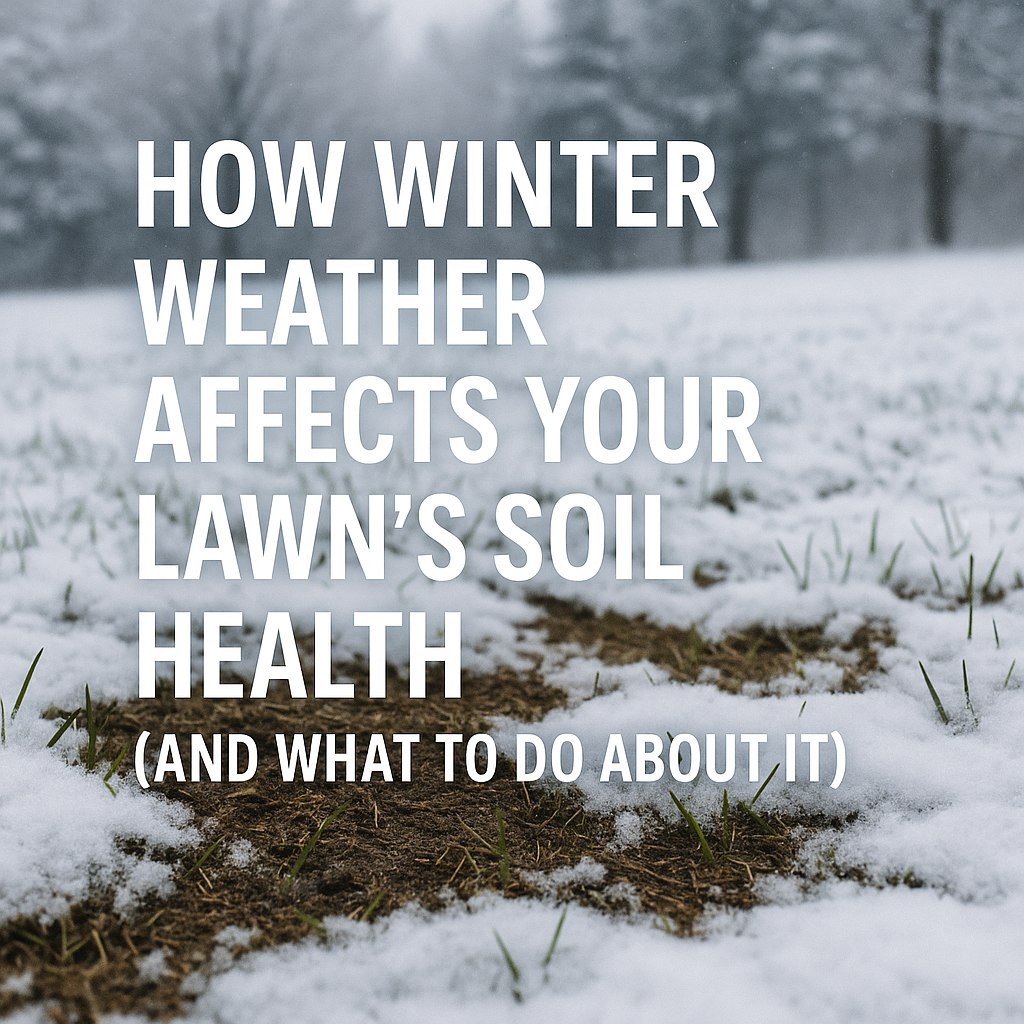
Pennsylvania winters are tough on lawns. Even when your grass is dormant and the yard looks quiet, a lot is happening beneath the surface. Cold temperatures, snow, ice, moisture swings, and freeze-thaw cycles affect your lawn’s soil in ways that will influence how healthy your grass looks this spring.
At Ridge Side Turf Care, we care for lawns throughout Danville, Bloomsburg, Selinsgrove, Sunbury, Lewisburg, Northumberland, Elysburg, and surrounding Central PA communities—and we see the same soil patterns every winter. Understanding these changes is the key to getting your lawn off to a strong start in spring.
This guide explains how winter impacts your soil and what you should do now to prepare your lawn for peak spring growth.
1. Freeze-Thaw Cycles Lead to Soil Compaction
Pennsylvania’s winter weather constantly shifts between freezing and thawing. These fluctuations cause the soil to expand when frozen and contract when temperatures rise.
Why This Matters
Over time, these cycles:
- Compress soil particles
- Reduce oxygen flow
- Limit root growth
- Make it harder for water to penetrate
- Create dense, unhealthy turf
Compacted soil is one of the biggest reasons lawns struggle to green up after winter.
The Solution — Spring Aeration
Core aeration pulls plugs of soil from the ground, which:
- Relieves compaction
- Allows roots to breathe
- Helps fertilizer reach deeper
- Improves drainage
- Stimulates new growth
This is one of the most important lawn treatments after winter.
2. Winter Moisture Causes Nutrient Loss
Snow and ice saturate Pennsylvania soils for months. When snow melts, water can push nutrients downward—below the root zone—where your grass can’t reach them.
This nutrient loss leads to:
- Pale or yellow spring grass
- Slow green-up
- Thin patches
- Weak root development
The Role of Spring Fertilization
Proper fertilization replenishes nutrients your grass lost during winter, giving your lawn:
- A faster green-up
- Stronger early root growth
- Improved density
- Better color and resilience
Fescue lawns, which are very common in Central PA, rely heavily on early spring nutrients.
3. Snow Mold Develops in Cold, Wet Conditions
Snow mold is one of the most common post-winter lawn diseases across Central PA. This fungus forms when:
- Snow sits too long on turf
- Leaves or debris trap moisture
- Lawns go into winter too long or too wet
How to Identify Snow Mold
You may see:
- White or grayish circular patches
- Matted grass
- Slow green-up in affected areas
How to Fix Winter Fungus Damage
As soon as the lawn dries out:
- Lightly rake the affected areas
- Remove matted turf to increase airflow
- Avoid heavy foot traffic
- Consider overseeding bare spots if damage is severe
If mold killed large sections of turf, hydroseeding is a fast, effective fix.
4. Foot Traffic, Snowblowers, and Plows Cause Rutting and Crown Damage
During winter, frozen grass becomes brittle. When grass blades are frozen solid, foot traffic or heavy equipment—like snowblowers or plows—can damage the crown of the plant.
Common Signs of Winter Traffic Damage
- Long, narrow dead areas
- Ruts that stay muddy after thaw
- Flattened grass that fails to recover
- Brown strips near driveways or sidewalks
How to Repair Traffic Damage
In early spring:
- Lightly rake damaged areas
- Aerate to loosen soil
- Apply spring fertilizer
- Overseed or hydroseed depending on damage size
5. Winter Salt Harms Grass and Soil Structure
Sidewalk salt and de-icing products are necessary for safety, but they’re tough on lawns.
Salt causes:
- Grass burn
- Soil dehydration
- pH imbalance
- Root damage
- Bare patches by walkways and driveways
How to Repair Salt Damage
Once the ground thaws:
- Flush the soil with water
- Apply soil amendments if pH is affected
- Overseed damaged areas
- Aerate compacted edges
Avoid overusing rock salt. If possible, choose lawn-safe alternatives such as magnesium chloride or calcium magnesium acetate.
6. Frozen Soil Limits Oxygen Flow to the Root System
When the ground is frozen solid, oxygen movement slows dramatically. Roots need oxygen just like leaves need sunlight.
Prolonged oxygen restriction can cause:
- Declining root strength
- Slower spring recovery
- Patchy green-up
- Reduced nutrient uptake
Aeration Helps Oxygen Return to the Soil
Spring aeration allows oxygen back into the root zone, helping your lawn rebound quickly once temperatures rise.
7. Winter Erosion and Runoff Strip Away Topsoil
Hillsides, slopes, and areas exposed to heavy wind or meltwater may lose topsoil during winter. This exposes:
- Rocks
- Subsoil
- Hard clay
Without proper topsoil, grass cannot thrive.
Winter Erosion Often Leads to Bare Spots
These spots are prone to:
- Weed invasion
- Poor drainage
- Poor germination
Hydroseeding or overseeding is often required to restore coverage.
8. Turf Becomes Naturally Thin After Dormancy
Even healthy lawns thin out over winter because:
- Roots slow down
- Photosynthesis stops
- Some grass blades die off
- Tissue damage accumulates
Overseeding or Hydroseeding Helps Restore Density
Thin lawns allow weeds to move in—especially crabgrass, which thrives in bare or weak spots.
Repairing thin turf early helps stop weeds before they get started.
9. Winter Changes Set the Stage for Spring Weeds
Winter soil disruption is one of the biggest reasons weeds return each spring.
Factors like:
- Compaction
- Moisture swings
- Salt
- Bare spots
- Thinning turf
…give weeds the perfect place to germinate once soil temperatures reach about 55 degrees.
The Solution — Early Pre-Emergent Weed Control
Pre-emergent stops weeds before they sprout. Without it, crabgrass, clover, goosegrass, and violets will take over fast.
10. Spring Lawn Treatments Help Reverse Winter Stress
To fix winter soil damage and get your lawn back on track, spring care is essential.
The Most Important Early-Spring Treatments Include:
- Aeration
Improves oxygen flow, breaks compaction, stimulates new root growth. - Fertilization
Replaces nutrients lost over winter and boosts early green-up. - Weed Control
Prevents spring weed germination and stops invasive species early. - Overseeding or Hydroseeding
Repairs winter damage, fills thin areas, boosts turf density.
Together, these services restore soil health and set the foundation for a stronger, greener lawn.
Restore Your Lawn After Winter With Ridge Side Turf Care
Winter weather takes a toll on Pennsylvania lawns, but with the right early-spring treatments, your yard can bounce back fast. Ridge Side Turf Care provides tailored lawn care solutions to help homeowners across Danville, Bloomsburg, Northumberland, Selinsgrove, Sunbury, Lewisburg, and surrounding areas repair winter soil damage and prepare for a lush, healthy season ahead.
Want your lawn to recover faster this spring?
Contact Ridge Side Turf Care today to schedule aeration, fertilization, and weed control services.